
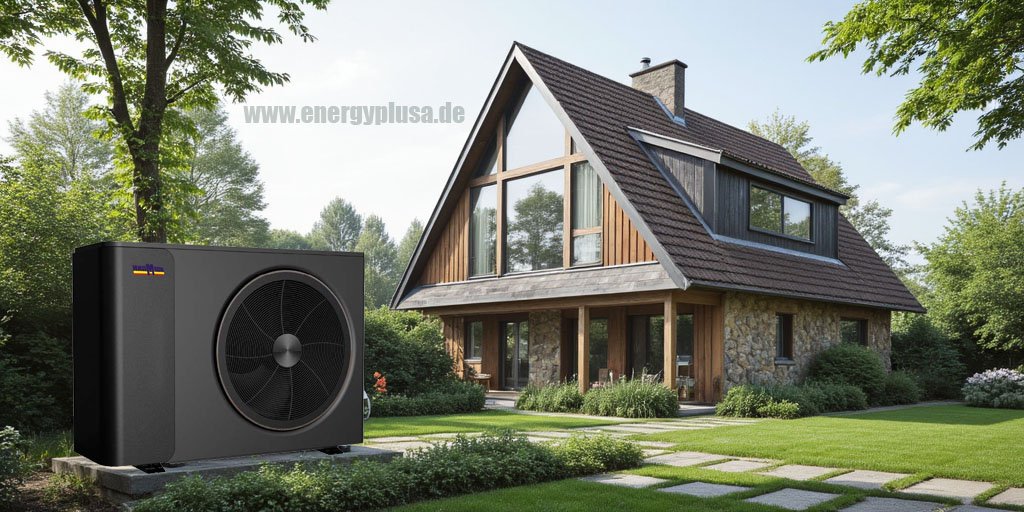
Heat Pumps: Eco-Friendly Heating and Cooling Solutions and Their Future in Germany
As the world embraces sustainable energy, heat pumps are emerging as a game-changing technology for eco-friendly heating and cooling. In Germany, a country focused on energy efficiency and carbon neutrality, these systems are transforming how homes and businesses manage temperature control. Powered by renewable electricity, they are both environmentally and economically advantageous.
How Heat Pumps Work
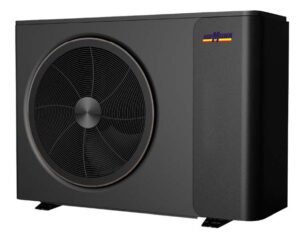 Heat pumps follow a simple yet effective principle: transferring heat instead of generating it through combustion. They use electricity to extract heat from the air, ground, or water and then provide heating or cooling. There are three main types:
- Air-source: Extract heat from the outside air.
- Ground-source (geothermal): Draw heat from the earth’s subsurface.
- Water-source: Use heat from nearby water bodies.
These systems are highly energy-efficient, often delivering three to four units of heat for every unit of electricity consumed.
The Current Adoption of Heat Pumps in Germany
Germany’s commitment to cutting greenhouse gas emissions has made these systems central to the nation’s energy strategy. By 2024, over 2 million heat pumps have been installed, with adoption rates steadily increasing. Several factors are fueling this growth:
-
Decarbonizing the Heating Sector
Germany’s heating sector is transitioning from fossil fuels to renewable energy. Heat pumps, powered by green electricity, significantly reduce carbon emissions and offer a sustainable alternative. -
Government Support
Financial incentives like the Federal Funding for Efficient Buildings (BEG) have accelerated the adoption of these systems. Regulatory frameworks such as the Building Energy Act (GEG) further drive demand by requiring energy-efficient solutions in new buildings. -
Integration with Renewable Energy
These systems integrate seamlessly with renewable energy sources like solar. Households can use solar-generated electricity to power their systems, creating a self-sustaining energy ecosystem.
The Future of Heat Pumps in Germany
The future looks bright for heat pumps, with several key trends and innovations shaping their path:
-
Scaling Up Adoption
Germany aims to install 6 million additional systems by 2030 to meet its climate neutrality goals. This ambitious target highlights their crucial role in the country’s energy transition. -
District Heating Applications
Heat pumps are increasingly being integrated into district heating networks, particularly in urban areas. These large-scale systems can harness heat from industrial processes, wastewater, or urban air, providing efficient heating for entire neighborhoods. -
Reducing Costs
Although the upfront cost can be high, technological advancements, economies of scale, and government subsidies are driving prices down. This makes them more accessible to a broader range of consumers.
Conclusion
Heat pumps are more than just a heating and cooling solution—they are key to Germany’s sustainable energy future. By using renewable electricity, reducing carbon emissions, and improving energy efficiency, they show the transformative potential of green technology. As adoption continues to grow and innovation progresses, Germany is setting a global standard for integrating eco-friendly solutions into everyday life. The future of these systems in the country is not only promising—it’s essential.





Add comment